




APSX-PIM V3 PLASTIC INJECTION MACHINE
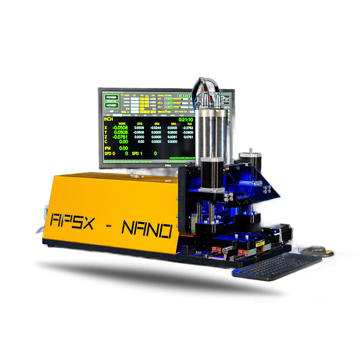
APSX-NANO CNC SWISS LATHE
Made in the USA

APSX-LSR V1 INJECTION MACHINE
A virtual or a showroom live machine demo is always available. Registration can be done here at www.apsx.com/scheduling.
The APSX-LSR V1 is a full automatic liquid silicone rubber (LSR) injection molding machine that makes injection molding affordable and easy.
Made in the USA.APSX Machines
C | Compact Size APSX Machines feature a space-saving and streamlined design, perfect for limited workspaces. | |
O | Optimized Risk APSX Machines are engineered for simplicity in mind to maximize confidentiality with the ability to produce in-house for know-how privacy. | |
M | Minimal Waste APSX Machines facilitate eco-friendly production, promoting lean manufacturing and sustainability. | |
P | Precision & Consistency APSX Machines ensure consistent industrial-quality functional parts, delivering precise and tight tolerance results. | |
A | Adaptability APSX Machines seamlessly adapt to flexible and responsive production needs with quick setup times and mobility for in-building and on-field moves. | |
C | Cost Effective APSX Machines offer cost-effective performance by minimizing both initial and ongoing operational costs. | |
T | Time to Market APSX Machines enable rapid manufacturing with a short learning curve and simple setup procedures, ensuring agility and fast time-to-market. |
Smart Production | ||||||||||||||
|---|---|---|---|---|---|---|---|---|---|---|---|---|---|---|
| ||||||||||||||
Testimonials | ||||||||||||||
| ||||||||||||||
| injection molder, injection molding, injection machine, cnc machine, liquid silicone molding, LSR machine, cnc machining, swiss lathe, swiss machining | ||||||||||||||
| . |
| ||||||||||||
ABOUT US
We create SIMPLE solutions with ADVANCED technology for people who has "be the first" mindset.
We take pride in hand-building every machine here in Cincinnati, Ohio, USA.. | ||||||||||||||
 | ||||||||||||||






Do you have questions?
Visit Knowledge Center for user resources or email us.